
About
I help leaders clarify what matters, strengthen how they lead, and create meaningful change.
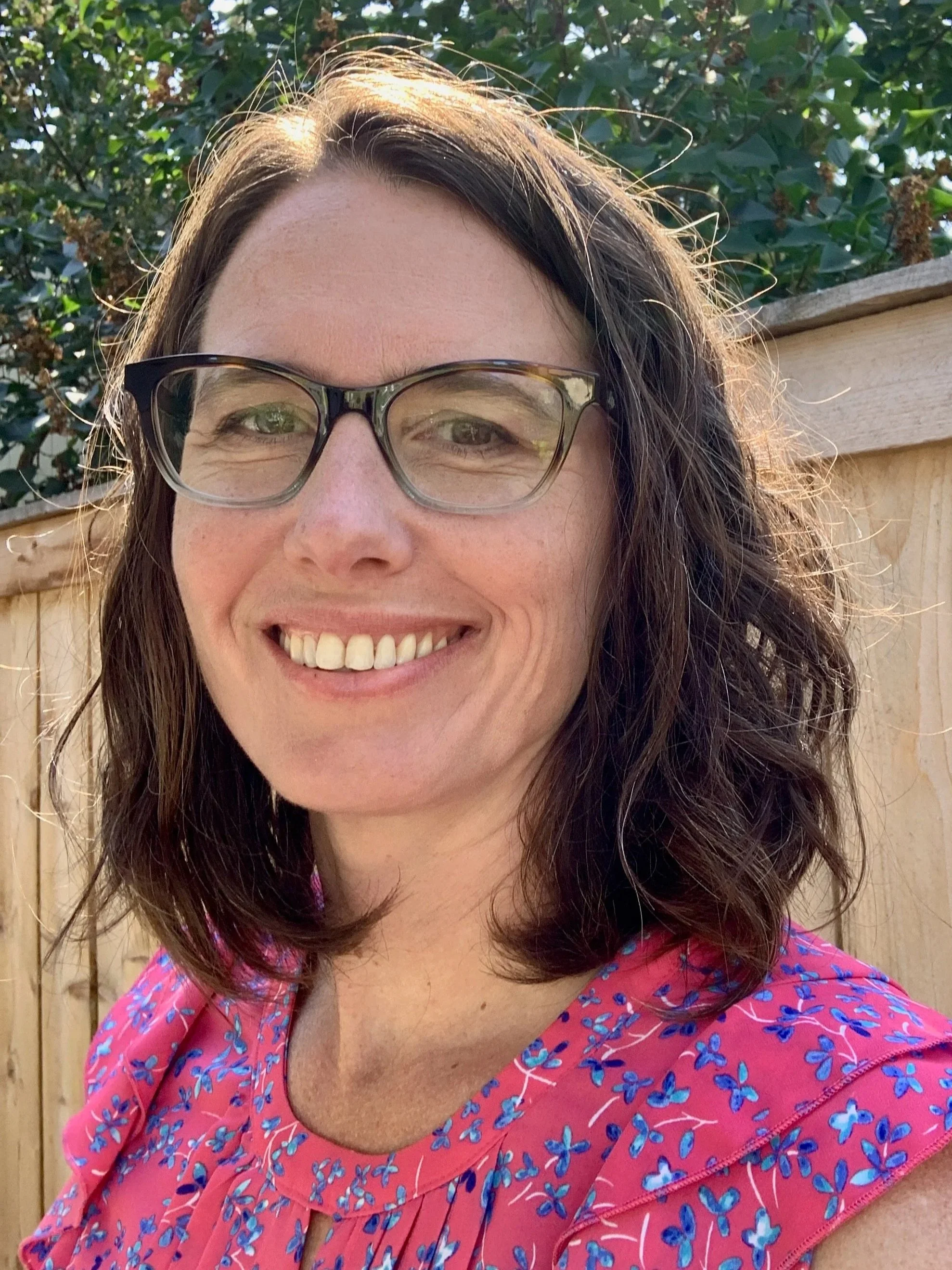
I’m Tine Reese (Tine is short for Christine, pronounced “teen”).
Over the past 25 years, I’ve built and run small businesses, stepped into leadership roles I hadn’t planned for, consulted across a variety of industries, and led teams through difficult seasons. Along the way, I learned that skill and effort could only take me so far. Sustainable leadership success required genuine self-awareness and presence, alignment with reality, and the development of my authentic leadership style and strengths.
That’s the work I bring to coaching other leaders. I've lived the hard transitions and know how to help others find their way through them and thrive as leaders.
How coaching works
Coaching is a thinking partnership. I don't give you answers. I ask questions, reflect what I notice, and offer frameworks that help you see your situation from new angles.
We begin by identifying what matters most to you and what you want to change. That may take some exploration, so we spend time in conversation, use assessments, and reflective exercises to understand your current reality and clarify the outcome you want.
From there, our work focuses on four questions:
What matters? What do you care about, and what kind of leader do you want to be?
What's happening? We examine the barriers you face, along with the beliefs, emotions, and habits that sit beneath them.
What’s possible? What new choices or ways of leading are becoming available?
What will you practice? What can you try in the real situations that matter—at work, with your team, and in your relationships?
We then reflect on what you learn and adjust your approach over time. Coaching isn't a fixed program imposed from the outside. It evolves as your understanding and circumstances develop.
A Grounded Foundation
My coaching pairs rigorous, industry-standard methodology with deep inner work, drawing on psychological frameworks to uncover the beliefs and protective patterns that drive behavior. Somatic practices help you stay steady under pressure, and purpose work connects your growth to what matters most to you.
Coach Training

I am a graduate of NYU’s ICF-accredited Professional Coaching Certification program, grounding my work in evidence-based coaching frameworks and the highest professional ethics.
My coaching sits at the intersection of deep inner work and real-world practicality, informed by years of coaching and practice with others.
Clarity & Compassion: Deeply informed by Julia Hayes at Souls Center Spokane, my Buddhist practice informs how I help leaders see themselves and their experiences with clarity and compassion. It strengthens my ability to support leaders in working skillfully with stress, habitual patterns, and emotional reactivity.
Reality & Responsibility: My years of training with Josef Shapiro at Clear and Open shaped how I help leaders align with reality, stay curious about themselves, and take responsibility for the results they want to achieve.
I return to these grounded teachings and practices again and again because the work of deeply understanding ourselves and creating meaningful change is a lifelong endeavor.
Frameworks that support the work
My leadership coaching integrates evidence-informed leadership frameworks, reflective psychological tools, multi-perspective feedback, and somatic practices.
I use these frameworks to help us notice what is often difficult to see: the patterns shaping your leadership, the impact you have on others, the signals your body sends, and the possibilities you are not fully inhabiting. We then translate that awareness into choices and actions that serve the leader—and the future—you are becoming.
Purpose and identity work connects your inner development with the future you want to help create. We explore the values, experiences, longings, and capabilities that shape your next chapter, then translate that deeper sense of direction into practical choices and leadership action.
Intentional Change Theory helps us understand where you actually are in the process of change. Sometimes the most useful next step is action. Other times, you need space to imagine a different future, make sense of what’s happening, or reconnect with what matters. This prevents us from trying to build a habit when what you need is insight, or pushing action before the direction is clear.
The Enneagram offers a way to explore the motivations beneath your leadership patterns. It can illuminate how you respond to pressure, what you habitually defend against, and where your attention narrows under stress. It can help you recognize patterns so they become choices rather than automatic reactions.
DISC provides a practical lens on observable behavior and communication preferences. It can help you understand how your style affects others, where misunderstandings arise, and how to adapt your communication without losing authenticity.
360-degree feedback incorporates the experiences of the people you lead and work with. It can reveal the gap between your intentions and your impact—often highlighting strengths, habits, and blind spots that self-reflection alone cannot uncover. Feedback is gathered and handled with care, in a way that supports learning rather than judgment.
Somatic and nervous system practices bring attention to the body’s role in leadership. Under pressure, your body may react before your conscious mind catches up: a tight chest, racing thoughts, a sense of urgency, withdrawal, or the impulse to push back. We develop your capacity to notice these signals, regulate your response, and remain clear and present during difficult conversations and decisions.

Take the next step
If you are curious whether coaching can help, start with a free discovery call. In this conversation, we explore:
Where you are right now
What challenges you are facing
What may be contributing to those patterns
What kind of support could help you move forward
Many people leave this conversation with new insight, even before deciding whether to continue coaching.